The Vibe Developer: Launching Your 14-Day MVP in 2026
In the business world of early 2026, the old rules are officially dead. It used to be that starting a software company required a big team, a pile of investor money, and six months of quiet building before anyone ever saw your work. You would hire a CTO, lease an office, and debate "scalability" before you even had a single user. Today, that approach is a recipe for failure. We have entered the era of the "Vibe Developer," where a single person with a hundred-dollar budget can outpace a traditional engineering team.
If you are a solopreneur or an early-stage founder, your biggest advantage isn't your talent or your bank account—it is your speed. But there is a massive psychological wall that stops most people from using that speed: the fear of looking "unprofessional." We have been taught that our work should be polished to a mirror finish before it touches the public. In the world of the Lean Startup, however, perfection is actually a form of waste. It is a shield used to hide from the terrifying possibility that no one wants what you’re building.
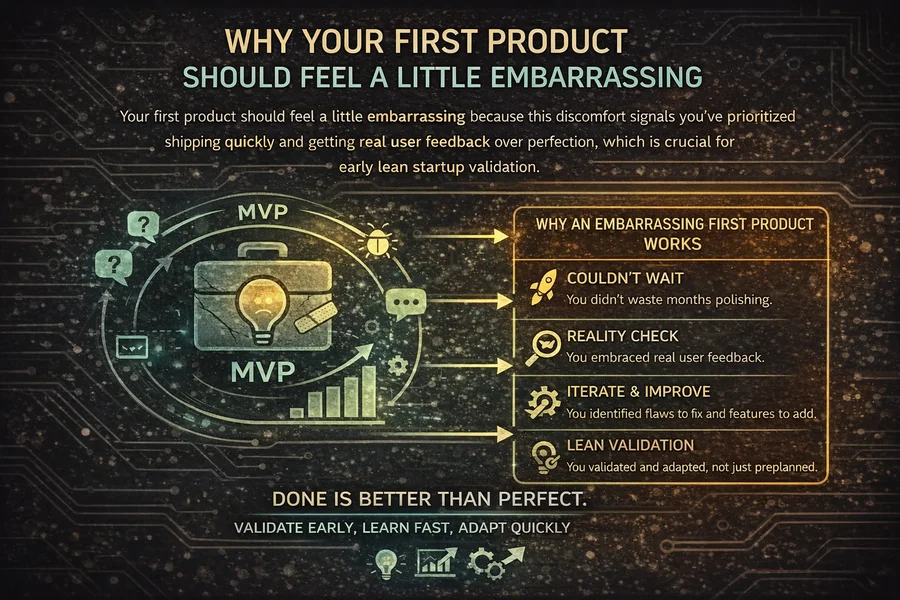
"If you are not embarrassed by the first version of your product, you've launched too late." — Reid Hoffman
The Death of the Gatekeeper
For decades, the "Developer" was the gatekeeper. If you had a brilliant idea but couldn't write code, you were at the mercy of technical co-founders or expensive agencies. You had to convince someone else that your vision was worth their time. In 2026, that gate has been torn off its hinges. The democratization of technology has reached its peak. The "Vibe Developer" doesn't need to know the intricate syntax of Rust or the latest JavaScript framework; they need to know how to think and how to direct.
We are seeing a shift from "Code-First" to "Concept-First." The value in a startup has moved from the ability to write the code to the ability to identify a problem and verify that a solution is valuable. This means that for the first time in history, the solopreneur has the same leverage as a venture-backed startup, provided they can move faster and learn more efficiently.
The Rise of "Vibe Coding"
To understand why you should launch an "ugly" product, you first have to understand how building has fundamentally changed. We are now living in the age of "vibe coding." This term describes a new way of creating software where you describe your intent, your constraints, and your goals in plain English, and AI agents handle the heavy lifting of writing the code.
Vibe coding isn't about laziness; it's about abstraction. In the same way that early programmers moved from assembly language to C, and then to Python, we have moved from syntax to intent. You are now the "Director" of a digital orchestra. You don't need to play the violin; you need to make sure the music sounds right. You "vibe" out the features, the user flow, and the logic, while models like Claude, Gemini or Llama act as your tireless engineering staff.
💡 Key Insight: The shift to "vibe coding" means the barrier to entry for building software is now significantly lower. The primary skill needed is the ability to clearly communicate your vision to AI agents, rather than mastering programming languages. Your job has shifted from Writer to Editor-in-Chief.
What is a Minimum Viable Product, Really?
We often hear the term Minimum Viable Product, or MVP, but we usually get the definition wrong. Many founders think an MVP is just their big idea with a few features chopped off. They think of it as a "shitty version" of the final vision. That is a dangerous mistake. An MVP isn't a product at all; it is a process.
⚠️ Important: An MVP is not your big idea with features removed; it's the simplest experiment required to start the process of validated learning from real users.
Think of it like a bakery. If you want to know if people in your neighborhood like your grandmother’s secret cookie recipe, you don't need to rent a storefront on Main Street, buy five professional-grade ovens, and hire a branding agency to design the boxes. You just need to bake one batch of cookies and try to sell them at a local park. If no one buys them at the park, they certainly won't buy them in a fancy store either.
Your MVP is that first batch of cookies. Its job is to tell you if the world actually wants what you are making. It is a learning vehicle. If the world says "no," you want to know that as cheaply and quickly as possible. Every hour spent on a "Coming Soon" page or a complex admin dashboard for a product with zero users is an hour of your life wasted. In 2026, the cost of building is low, but the cost of ignoring reality is still high.
The Trap of Over-Polishing: Procrastination in Disguise
The most common reason founders fail is that they build something nobody wants. They spend months "polishing" a dashboard, picking the perfect shade of blue for a button, and adding "nice-to-have" features that they think will impress people. In reality, this over-polishing is usually a form of Product Risk management that ignores Market Risk.
Product Risk is the fear that you can't build the thing. Market Risk is the fear that nobody wants the thing. In the era of AI, Product Risk has practically vanished. You can build almost anything. Market Risk, however, remains as high as ever. If you spend three months building in private, you are betting three months of your life that your internal compass is perfectly aligned with the market. Usually, it isn't. Every hour you spend making your app look beautiful before you have validated it with a real user is an hour of your life you might never get back.
✅ Pro Tip: Prioritize speed to market. Launching an imperfect version allows you to start the feedback loop. Users don't care about your UI nearly as much as they care about their own problems being solved. A ugly app that solves a $1,000 problem is better than a beautiful app that solves nothing.
By launching an imperfect, slightly "vibe-y" version of your app, you start the feedback loop. You get to see where users get stuck, what they ignore, and—most importantly—what makes them say "wow." This is the Reid Hoffman philosophy in action. If you feel totally comfortable with your launch, you waited too long.
Your 2026 Technical Tool Belt
To build an MVP in days rather than months, you need the right stack. The goal is to keep your costs under two hundred dollars a month while maintaining professional-grade power. Here is the "Golden Path" for modern "Vibe Developers":
Finding the "Magic Moment"
When you are building your "embarrassed-to-launch" MVP, you should focus on one thing: The Magic Moment. This is the exact second a user feels a visceral sense of relief because your product solved their problem. It is the "Aha!" moment where the value proposition moves from a promise to a reality.
If you are building a tool to help freelance writers track their time, the magic moment isn't the login screen, the profile page, or the "Team Members" invite system. The magic moment is when they hit "stop" on a timer and see exactly how much money they just earned for that session. Everything else is a distraction. If your MVP delivers that moment, users will forgive a missing password-reset flow or a slightly buggy navigation menu.
✅ Pro Tip: Strip away the fluff. You don't need a dark mode toggle on Day 1. You don't need complex settings. You need the user to experience the "Magic Moment" in under 60 seconds of hitting your landing page. If you can't deliver value in 60 seconds, your MVP is too heavy.
The Psychological Momentum of Shipping
There is a massive psychological difference between a project that is "90% done" on your local computer and a project that is live at a public URL. When your project is live, everything changes. You stop being a "wannabe" and you become a "founder." The stakes are real, and the adrenaline kicks in. This is why we advocate for a 14-day cycle. Anything longer than 14 days and the project begins to feel like a "burden" rather than an "experiment."
Vibe coding creates a state called "Psychological Momentum." Because you can see your progress in real-time—typing a sentence and seeing a functional feature appear in your browser—you stay motivated. This momentum is the only thing that will get you through the inevitable late-night debugging sessions when the AI agent hallucinations a library that doesn't exist. Shipping early converts that internal momentum into external feedback, which is the most powerful fuel for a startup.
Building in public is the best way to amplify this momentum. Share your progress on X, LinkedIn, or IndieHackers. Don't wait until it’s finished to talk about it. Talk about the bugs. Talk about the "vibe mess." People in 2026 don't want to buy from faceless corporations; they want to support founders who are in the trenches and transparent about their journey. This transparency builds Trust Equity, which is more valuable than any marketing budget.
Success Stories of the Vibe Era
We are already seeing the results of this fast-and-messy philosophy. In 2025 and early 2026, a founder can build an AI design tool in three weeks using nothing but natural language prompts. They can hit $10,000 in monthly recurring revenue just three weeks after launch. They didn't have to have a perfect codebase; in fact, the code was a complete "vibe mess" that no senior engineer would ever sign off on. But it didn't matter. They had a solution that people were desperate for, and they were first to market.
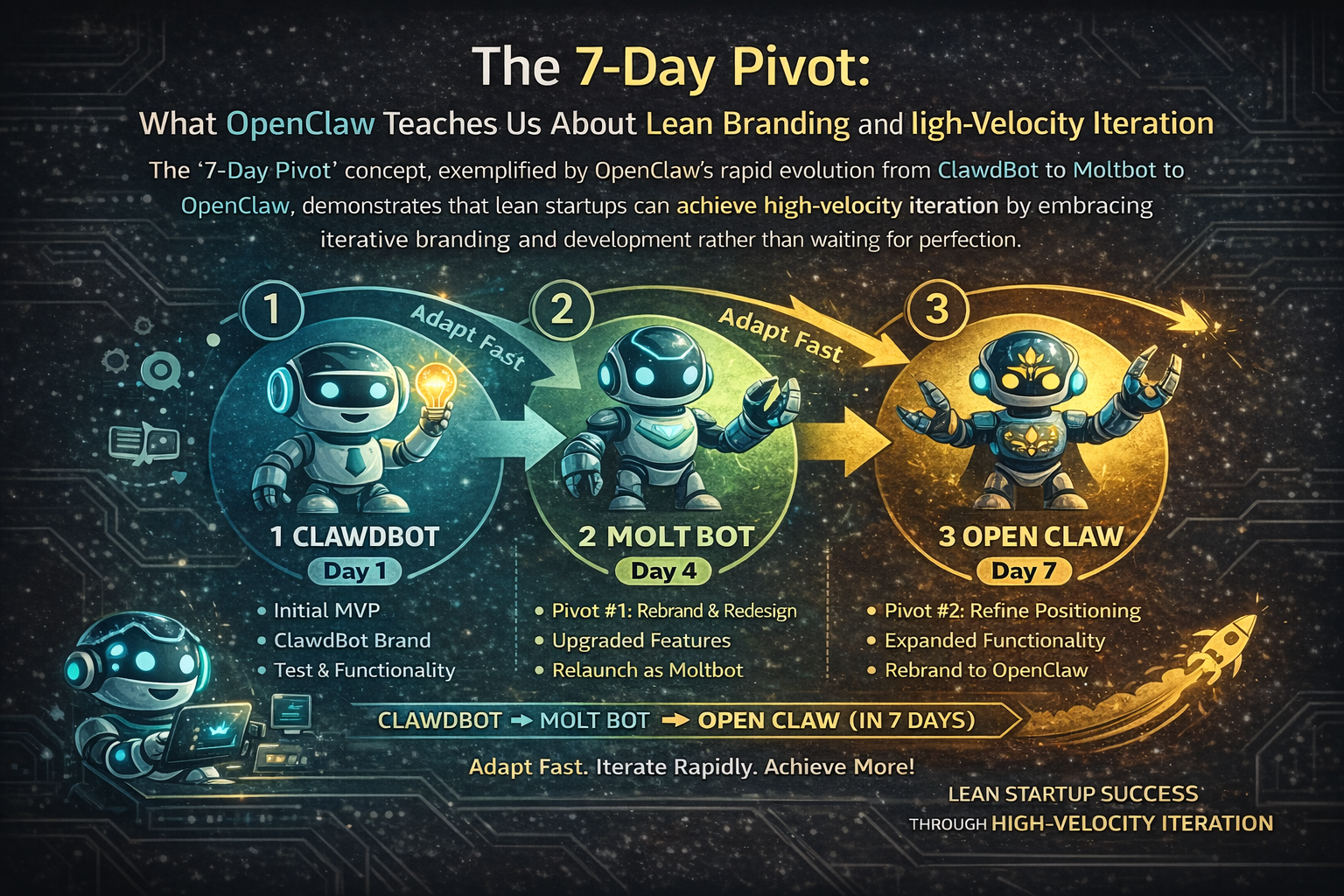
Another developer could build a mobile app portfolio that brings in over $60,000 a month. When their first attempt was shut down by a platform change, they didn't spend months mourning. They used their AI tools to rebuild and relaunch a better version in under 72 hours. They understood that the code they built mattered less than the process they used to build it. Their "speed to learn" was their true competitive moat. They realized that in the Vibe Era, the product is ephemeral, but the market insight is permanent.
When to Stop Vibing and Start Polishing
Vibe coding is for the start. It is for finding Product-Market Fit. It is for the "Explore" phase of the startup journey. Once you have ten people paying you real money, or a hundred people using your tool every single day, the "vibe mess" will start to cause problems. This is when you begin the "Maintenance Protocol."
Every week, you should spend a few hours cleaning up the code. Ask your AI partner to explain the logic of the files it wrote for you. Break large files into smaller, cleaner pieces. Add manual security layers for things like payments and user data. You are graduating from a "clickable proof of concept" to a "production-ready business." This is the "Exploit" phase, where you optimize what you have already proven works.
⚠️ Important: Transition from "vibe coding" to professional polishing ONLY after achieving product-market fit. Polishing a product nobody wants is just an expensive way to fail. Technical debt is a tool—use it to buy speed, then pay it back once you have revenue.
Conclusion: Stop Planning, Start Shipping
The "14-Day MVP Launchpad" isn't a suggestion—it’s a challenge. If you have an idea, give yourself exactly two weeks. Spend the first two days researching the problem and talking to potential users. Spend the next eight days building the "Magic Moment" using AI agents and the 2026 tool belt. Spend the last four days getting it live and putting the link in front of strangers.
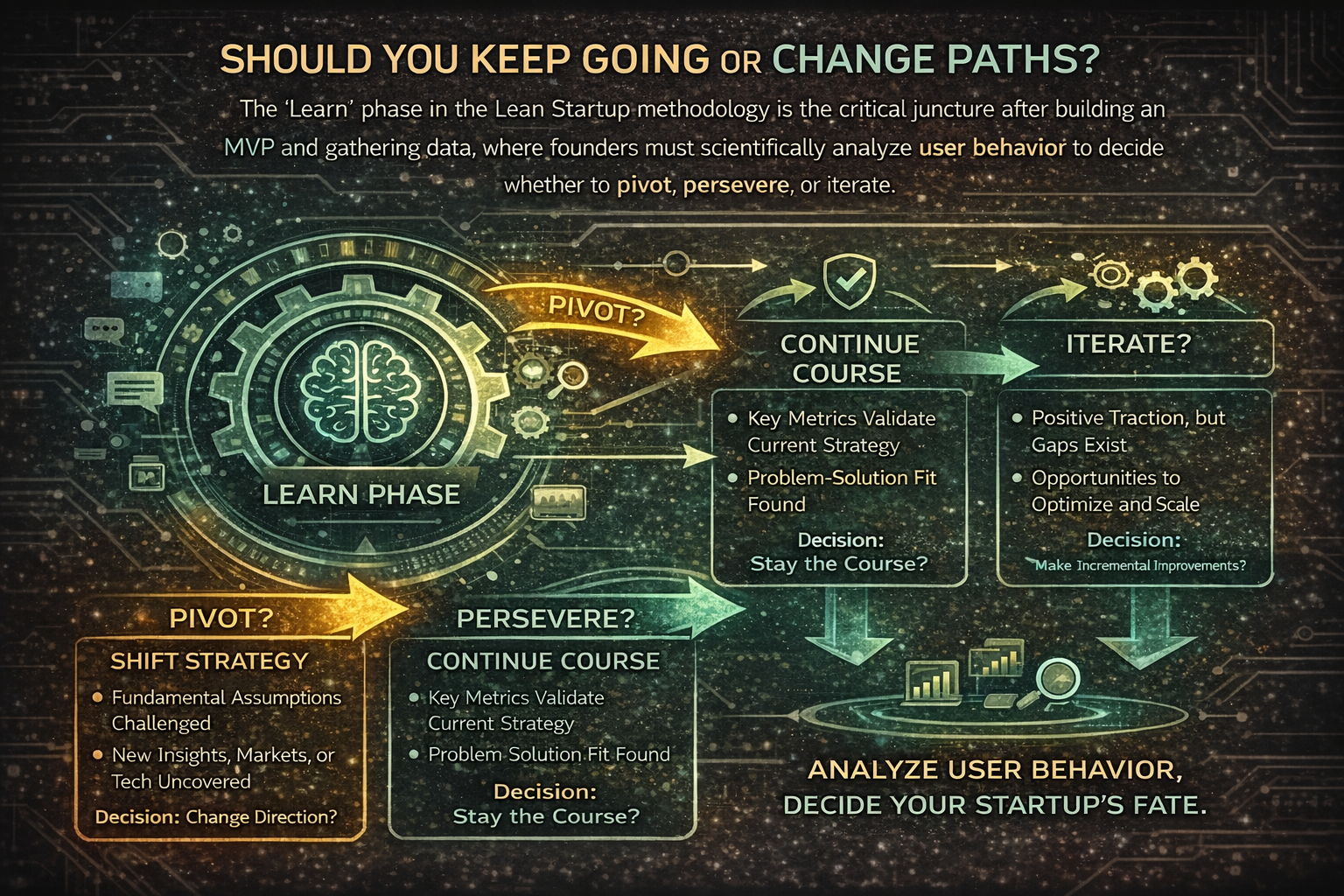
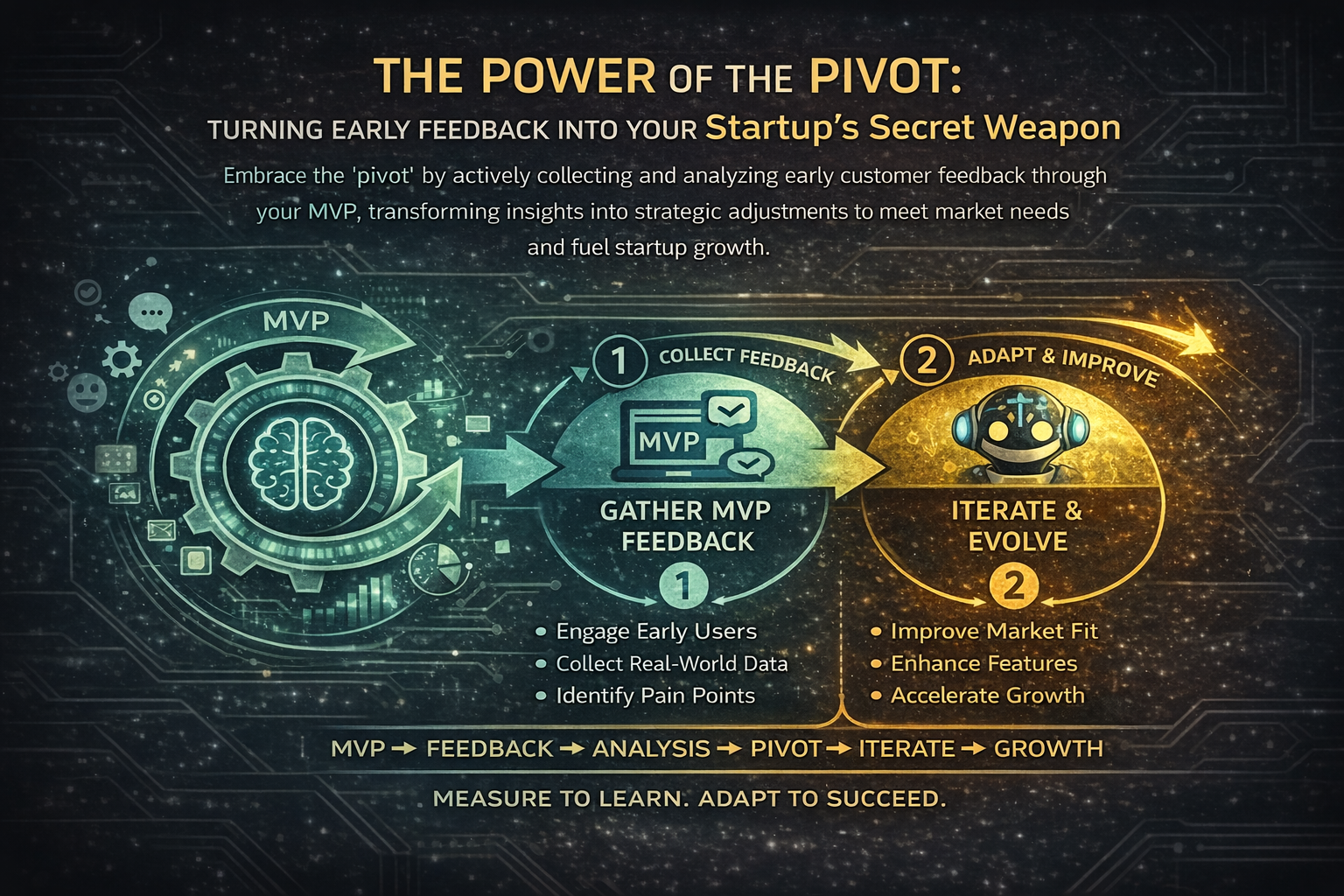
Don't ask your friends for feedback; they will lie to you because they like you. Ask the market. Ask for a credit card number. If no one pays, you haven't failed; you have successfully learned that your current version isn't the answer. You have saved yourself months of wasted effort. You have the freedom to pivot because you haven't over-invested in the wrong solution.
"Embrace the embarrassment. Ship the ugly version. The world is waiting for your 'Magic Moment,' and they don't care what the buttons look like."
The 2026 landscape belongs to those who dare to be imperfect. Whether you are a solopreneur operating solo from a home office or an early-stage founder managing your first small team of human and AI collaborators, the mission is identical: move from thought to reality as fast as humanly possible.
There is a unique transformation that happens when you move a project from your laptop to a public URL. You stop being a "wannabe" and you become a "founder." The adrenaline of real user data is the only fuel that can sustain you through the long journey of building a company. Launching is not the end of the work; it is the beginning of the education. As Reid Hoffman noted, if that first conversation with the market isn't a little bit awkward, you've waited too long. Stop planning. Start shipping. Start vibing. The world is waiting.

No comments yet
Be the first to share your thoughts on this article!